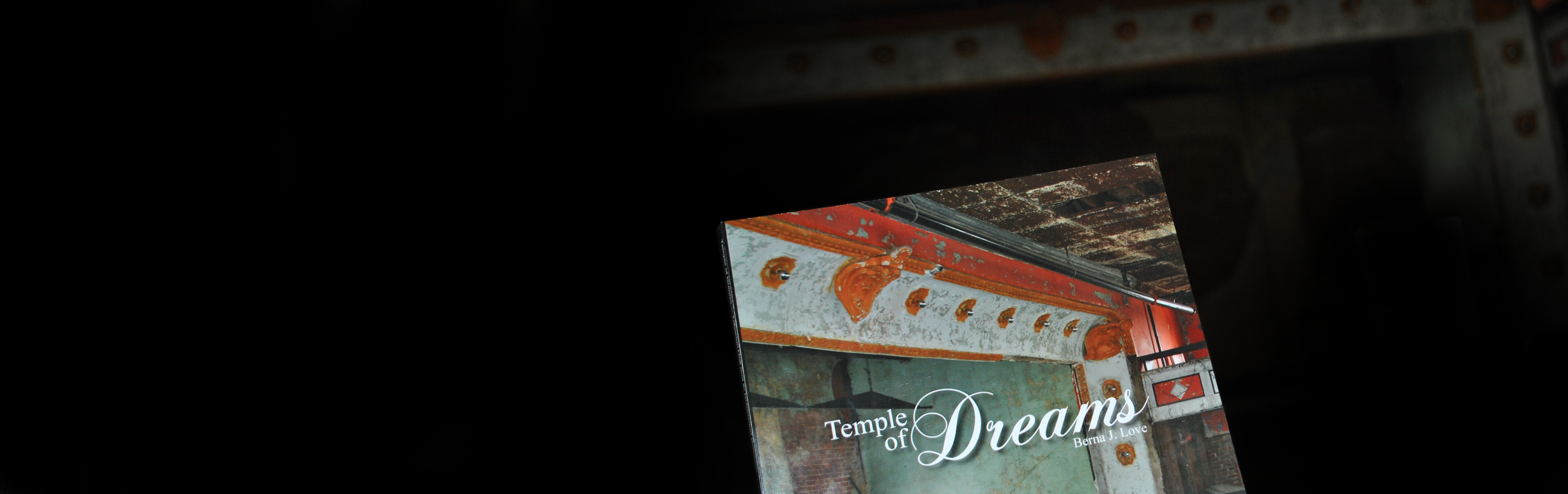
Temple of Dreams: The Book
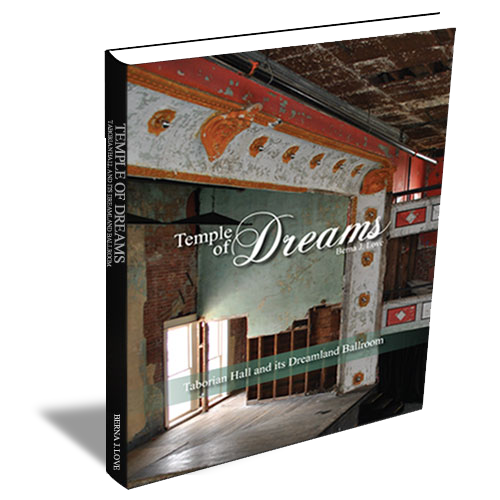
The Dreamland Ballroom has been documented, researched, and brought to life in one definitive volume. Temple of Dreams: Taborian Hall and its Dreamland Ballroom by historian Berna J. Love is the most thorough account of this building and the community that built it ever published.
$41.14 - Purchase at FlagandBanner.com
"Superbly researched, compelling in its narrative; the story of a building and the people who gave it life. Nearby history at its best."
— Dr. C. Fred Williams, historian and author, A Documentary History of Arkansas
"While reading Temple of Dreams, I heard the voices of my elders, my family members who raved about 'the happenings on the Line' during my childhood. As a winner of a Dunbar High School Essay Contest in the 10th grade, I stood upon the raised stage in Taborian Hall and read 'Why I Want to be a Writer When I Grow Up.'"
— Dr. Patricia Washington McGraw, retired English professor, Arkansas Black Hall of Fame inductee, author of 7 books and over 300 published articles and poems


What the Book Covers
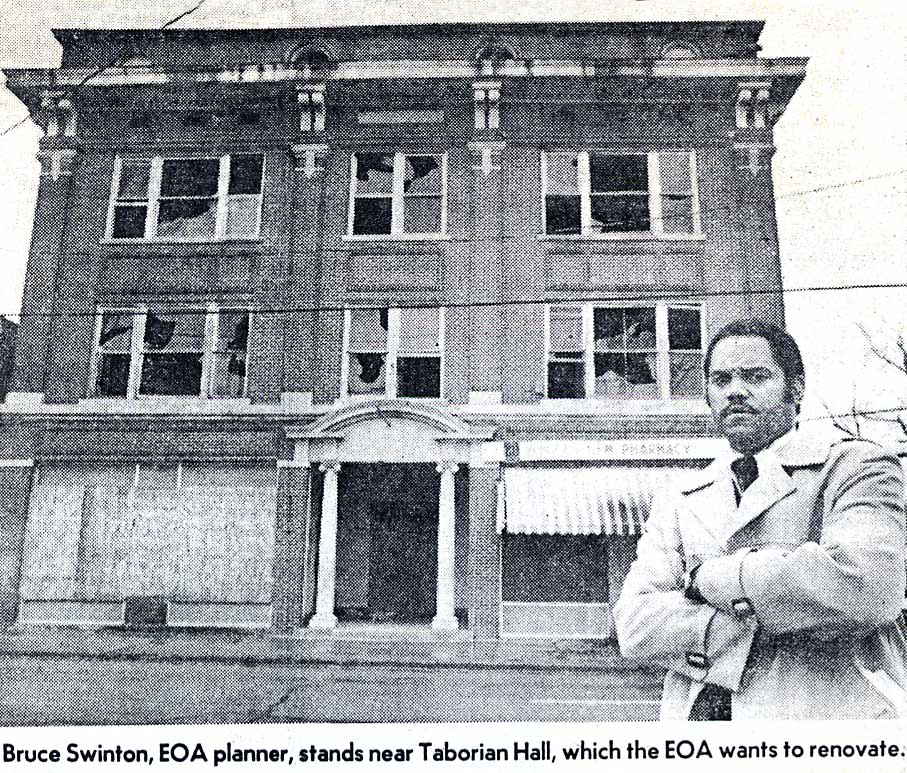
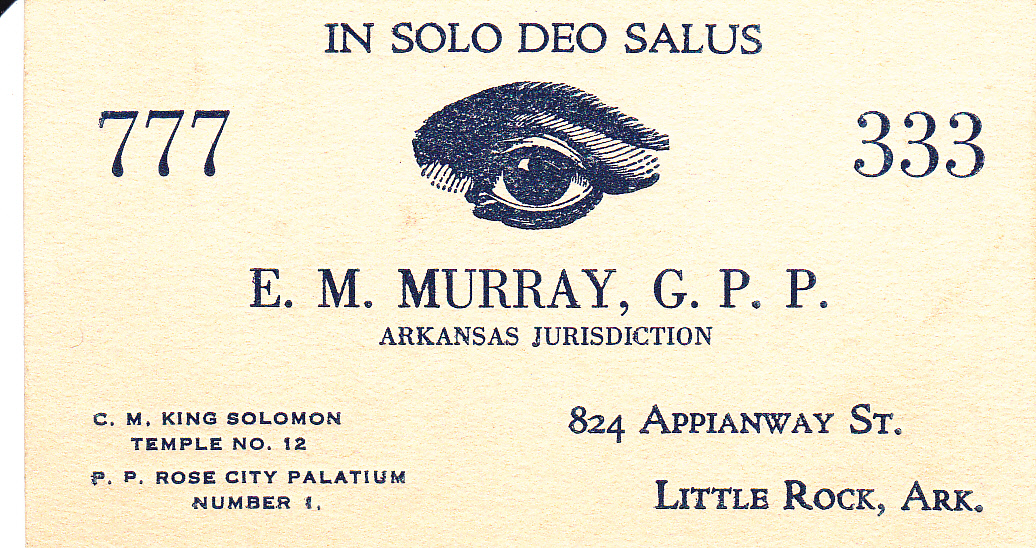
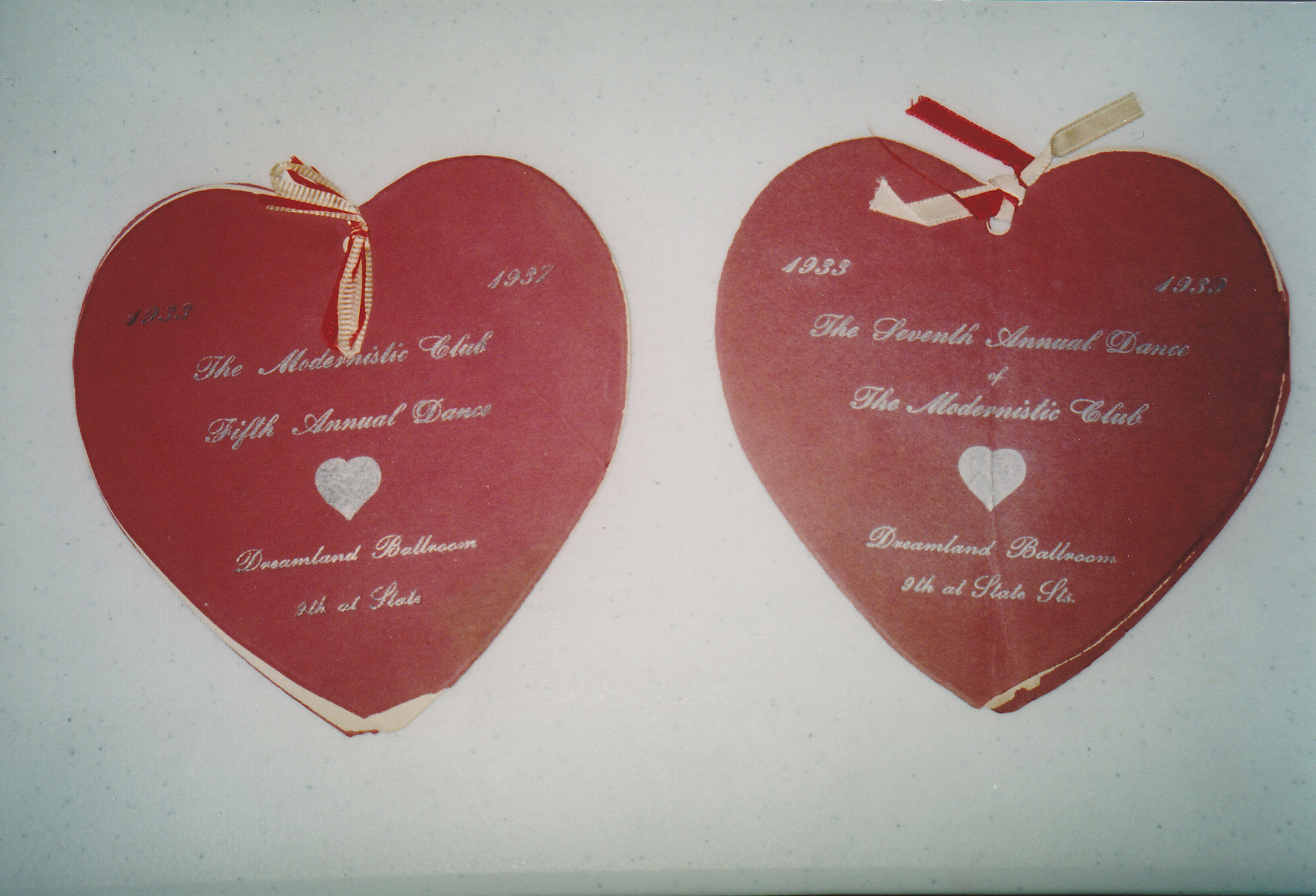
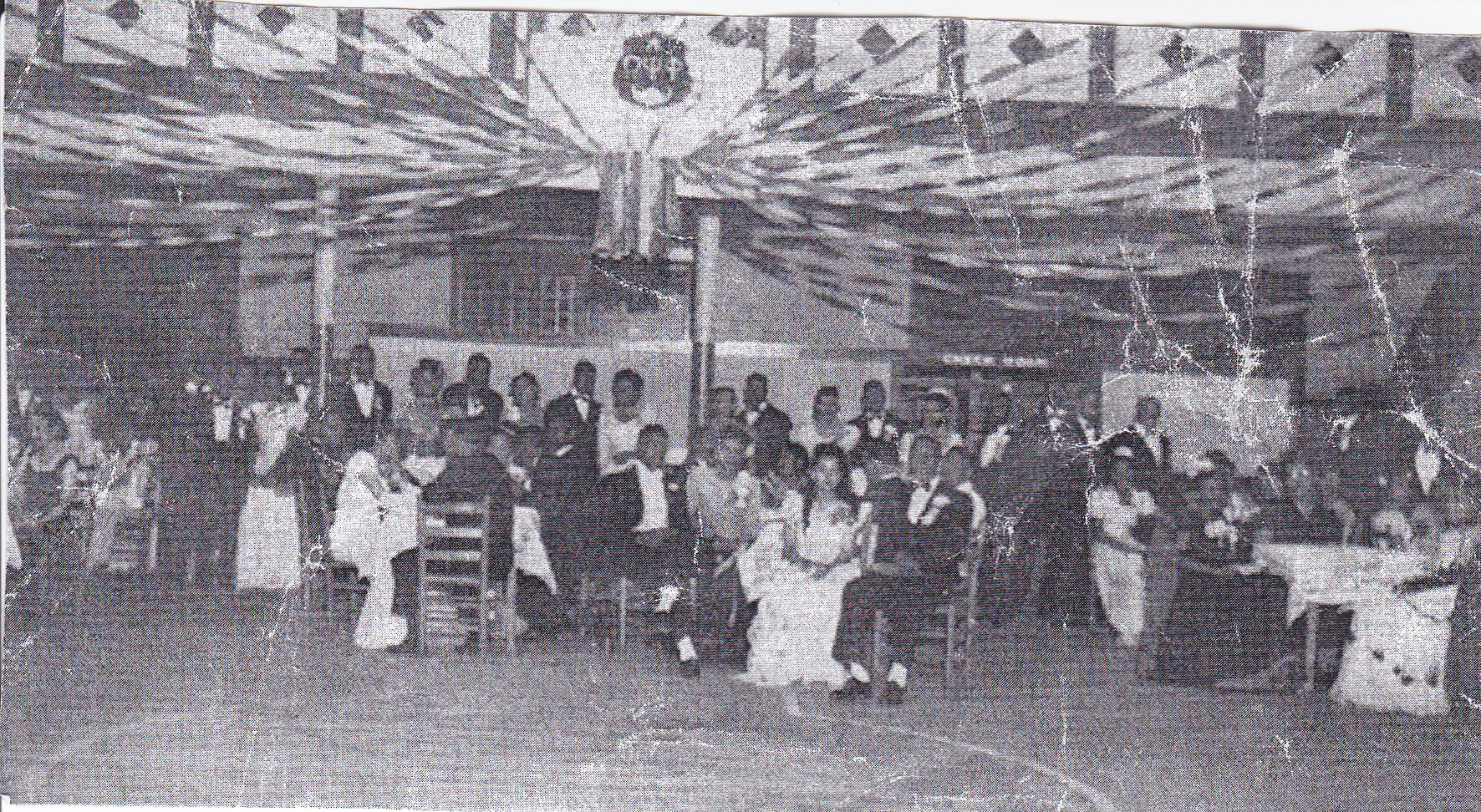
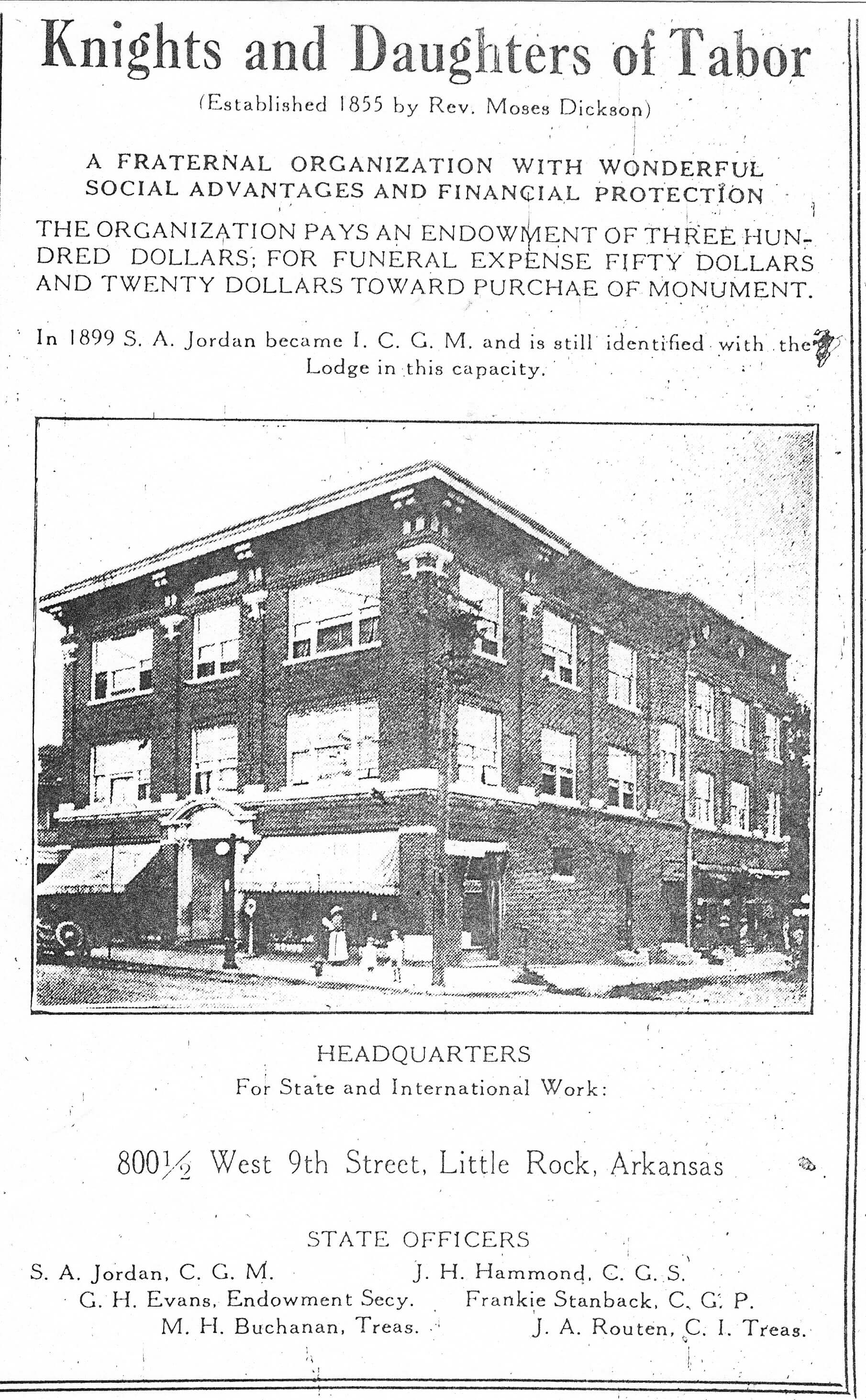
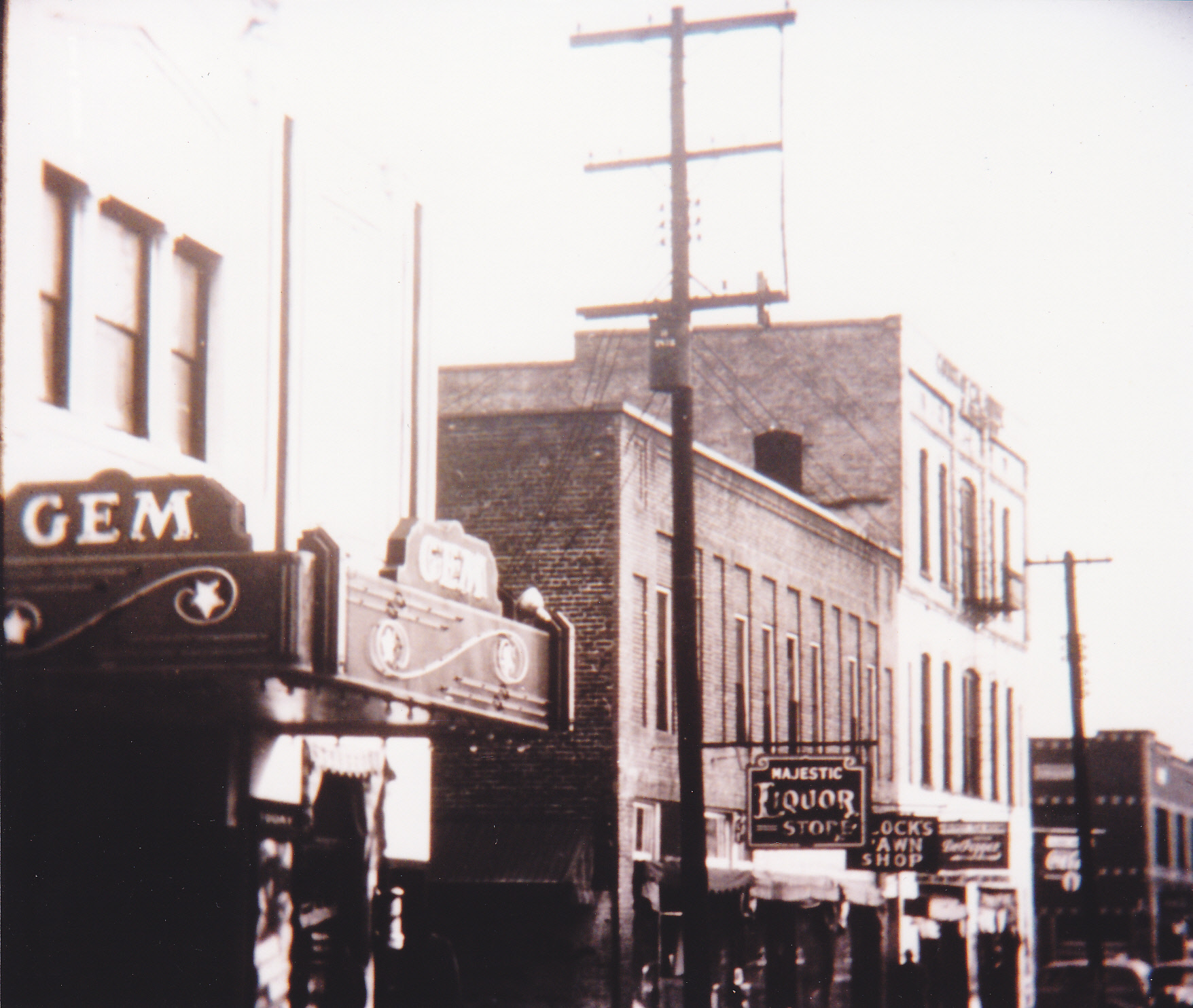
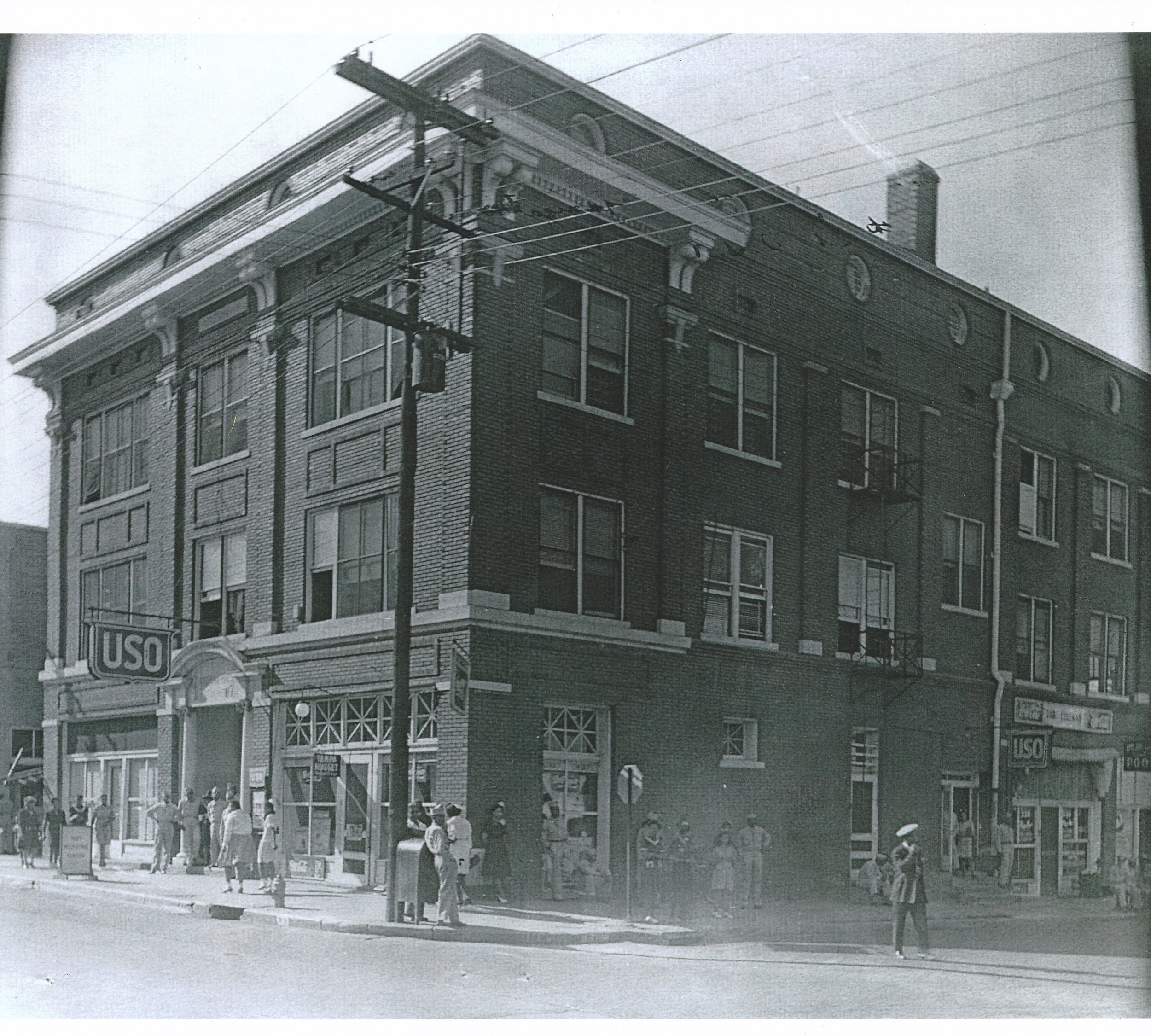
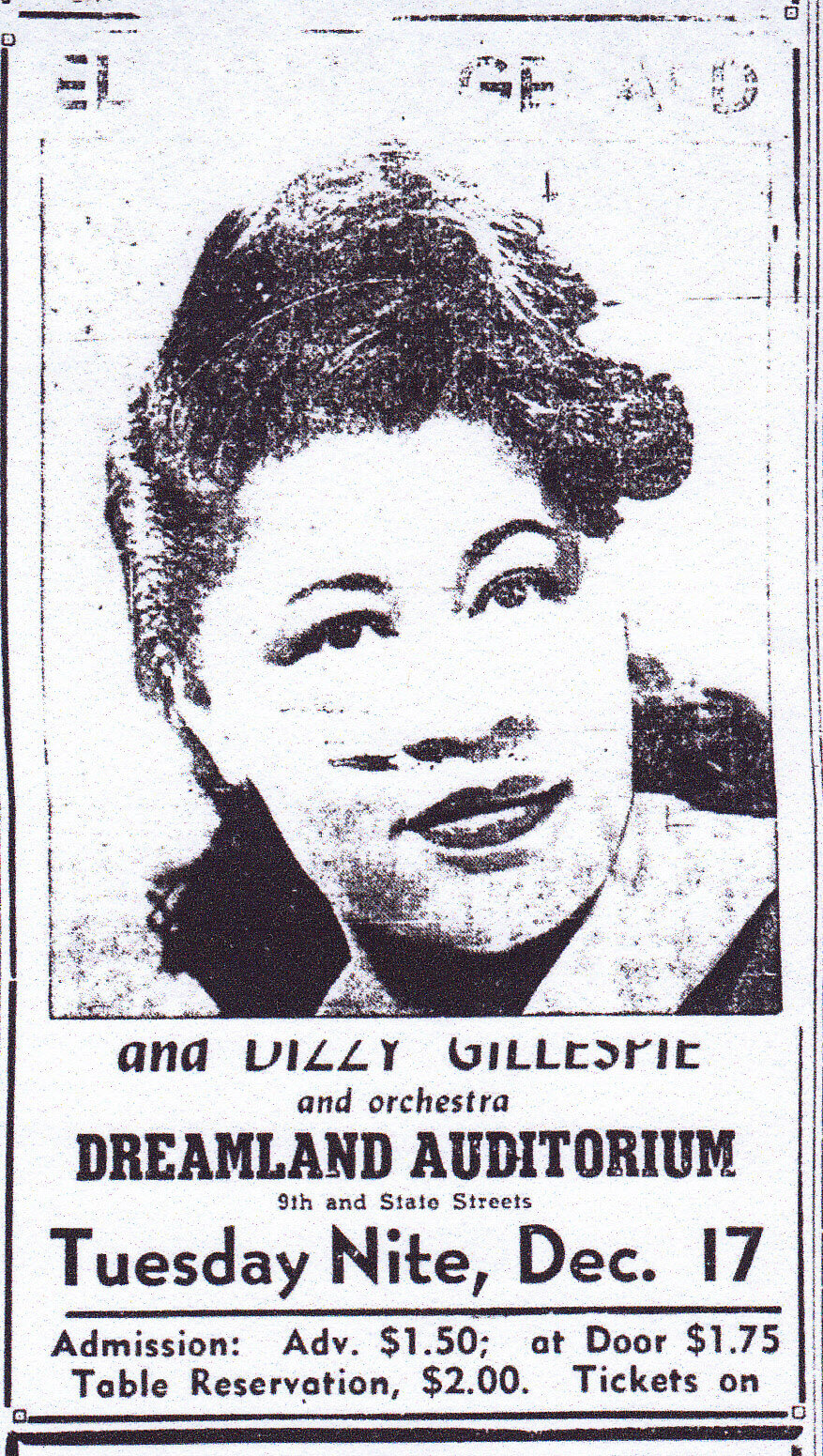
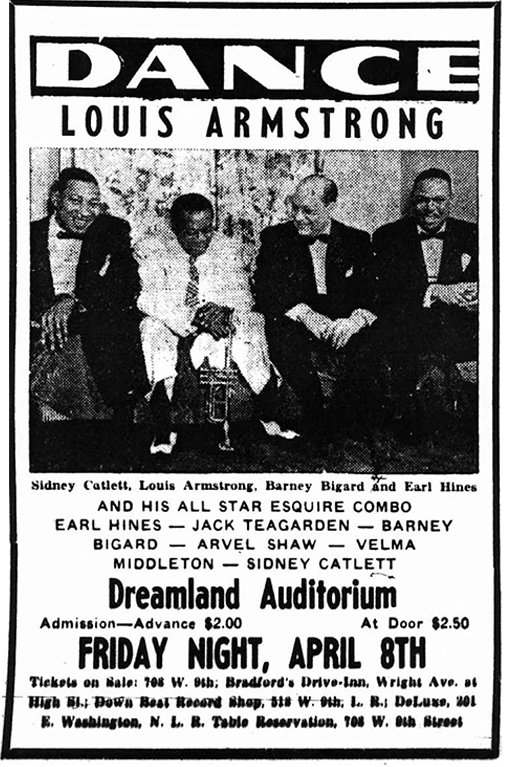
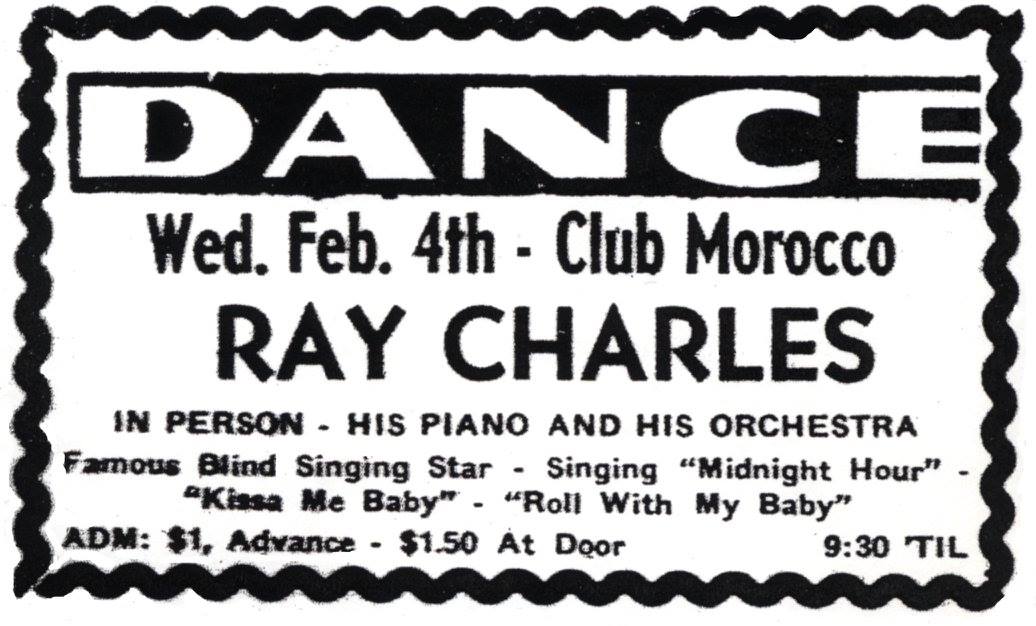
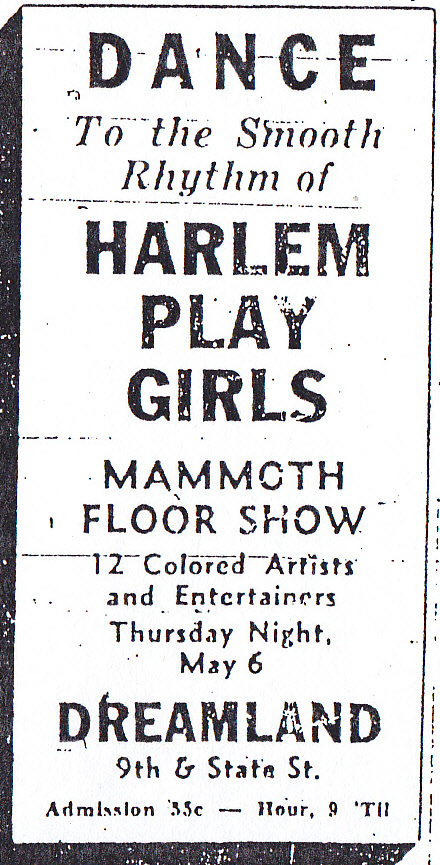
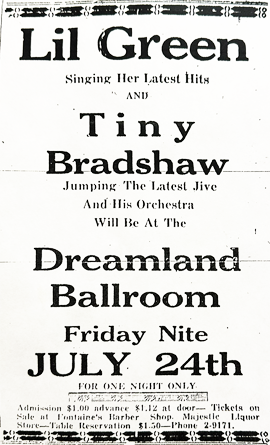
From the founding of the Knights and Daughters of Tabor to the golden era of the Dreamland Ballroom, Temple of Dreams traces the full arc of Taborian Hall's first century. The book documents the fraternal organization that built the structure entirely with Black community funds in 1918, the businesses and professionals who filled its floors through the 1920s and 30s, the USO club that served thousands of Black servicemen during World War II, and the extraordinary parade of musicians who performed on the Dreamland stage - Duke Ellington, Ella Fitzgerald, Louis Armstrong, B.B. King, Ray Charles, and dozens more.
It also tells the story of the building's decline and near-demolition, and the chain of events that led to its survival.

From the Pages
-
"Born during the Reconstruction while the embers of racial equality were still burning, the Knights and Daughters of Tabor, like other mutual aid fraternities, grew in importance for African Americans who saw their lives regulated by separatist Jim Crow laws and racial prejudice in the late nineteenth and early twentieth centuries. Little to no public assistance was available for Blacks - no burial insurance or death benefits, few social programs, no health care, foster care, or retirement homes. African Americans knew that they must rely upon themselves to overcome these stumbling blocks placed to demean and debase..."
-
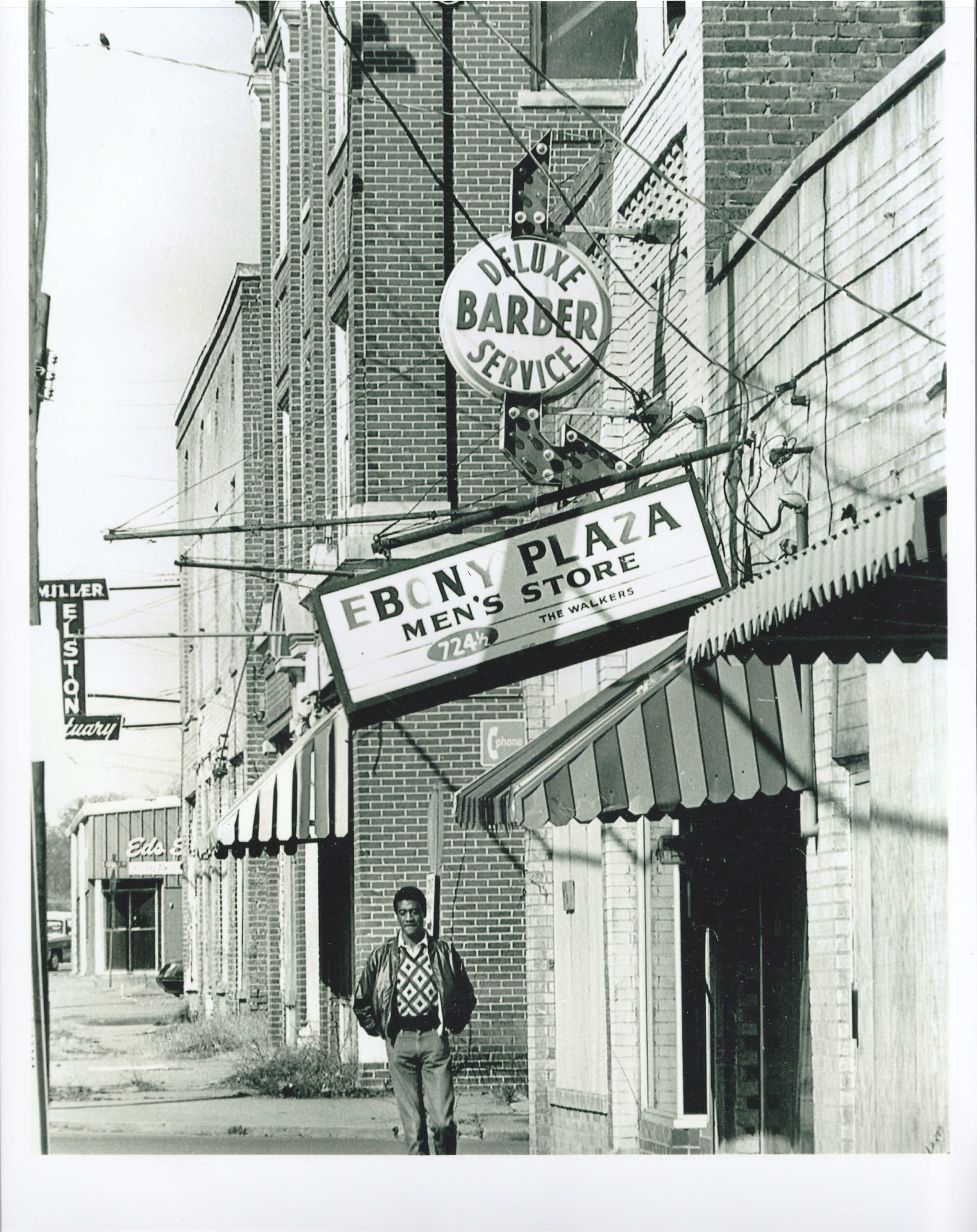
"The Depression had battered but not broken the spirit of the West Ninth Street community. Despite the loss of eleven percent of its businesses in the years 1930-1935, the West Ninth Street community was still vibrant, pulsing with activity. People continued to eat, drink, and be merry, worship God, birth babies, and bury the dead. The Line was a stage where daily living was played out..."
-
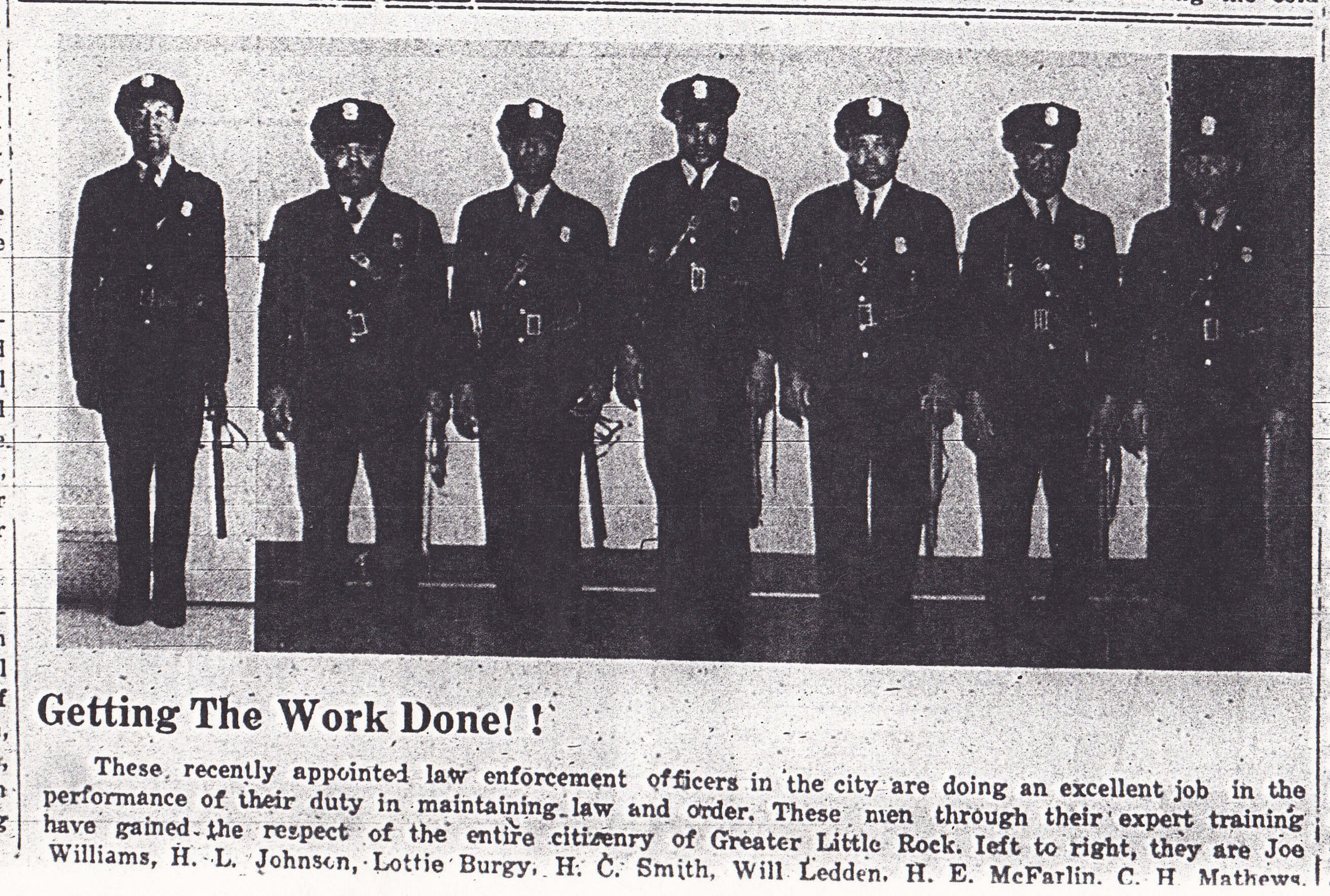
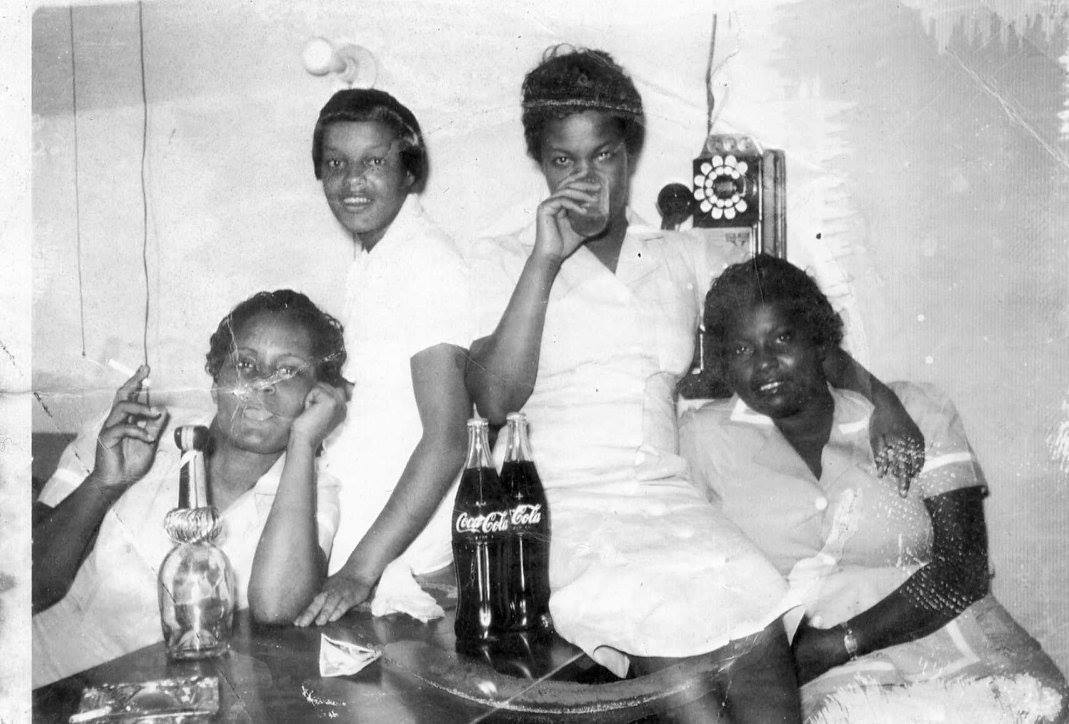
"The new Ninth Street USO Club that had quietly opened in Taborian Hall in January 1942 was a big 'hit with the soldiers here.' The 'Keepin' em Smiling' campaign implemented by the Ninth Street USO energized full support and participation by the bronze city's social clubs, churches, fraternities and sororities..."
-
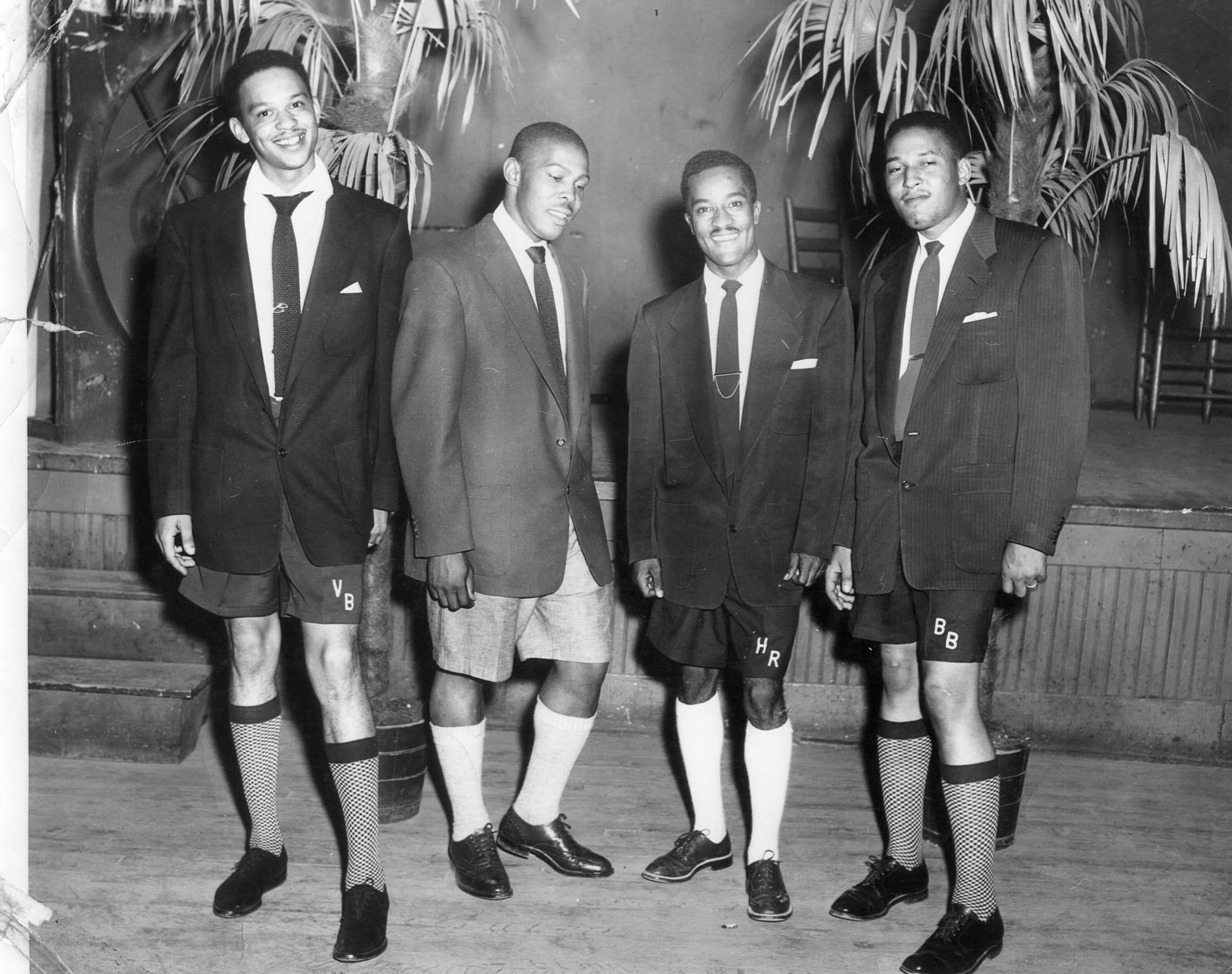
"'Things I remember about the bands and singers that came to Little Rock on Ninth Street, they were: Johnny Otis and Little Ester, Big Joe Turner, Count Basie, Roy Milton, Roy Brown, Etta James, Howling Wolf, Amos Milburn, Little Willie John, John Lee Hooker, Duke Ellington, Al Hibbler, Sam Cook, Otis Redding, Lightening Hopkins, B.B. King...' De-De Whitehead recounted from memory..."


About the Author
Berna J. Love
M.A. Public History
University of Arkansas at Little Rock and Memphis StateBerna J. Love is a professional historian, museum consultant, and educator. Formerly associate director of the Children's Museum of Arkansas and director of programming and curator of anthropology at the Museum of Discovery in Little Rock, she has produced and written twenty-four documentaries on Arkansas history for television, museums, and corporations.
Her books include Arkansas Indians: A Children's Learning and Activity Book and End of the Line: A History of Little Rock's West Ninth Street - the companion volume to Temple of Dreams that tells the broader story of the district surrounding Taborian Hall. Temple of Dreams is her most comprehensive work to date.
Get Your Copy
Temple of Dreams: Taborian Hall and its Dreamland Ballroom is available for purchase at FlagandBanner.com.
Also available at Mosaic Templars Cultural Center - check availability.